Thinking about a quieter, small‑town lifestyle that still connects you to Northern Virginia and the District? If Warrenton is on your shortlist, you are not alone. Many buyers look here for historic charm, rural space, and a practical commute plan that fits hybrid work. In this guide, you will learn how to evaluate commute options, compare local housing, preview neighborhoods from afar, and follow a step‑by‑step relocation checklist. Let’s dive in.
Warrenton at a glance
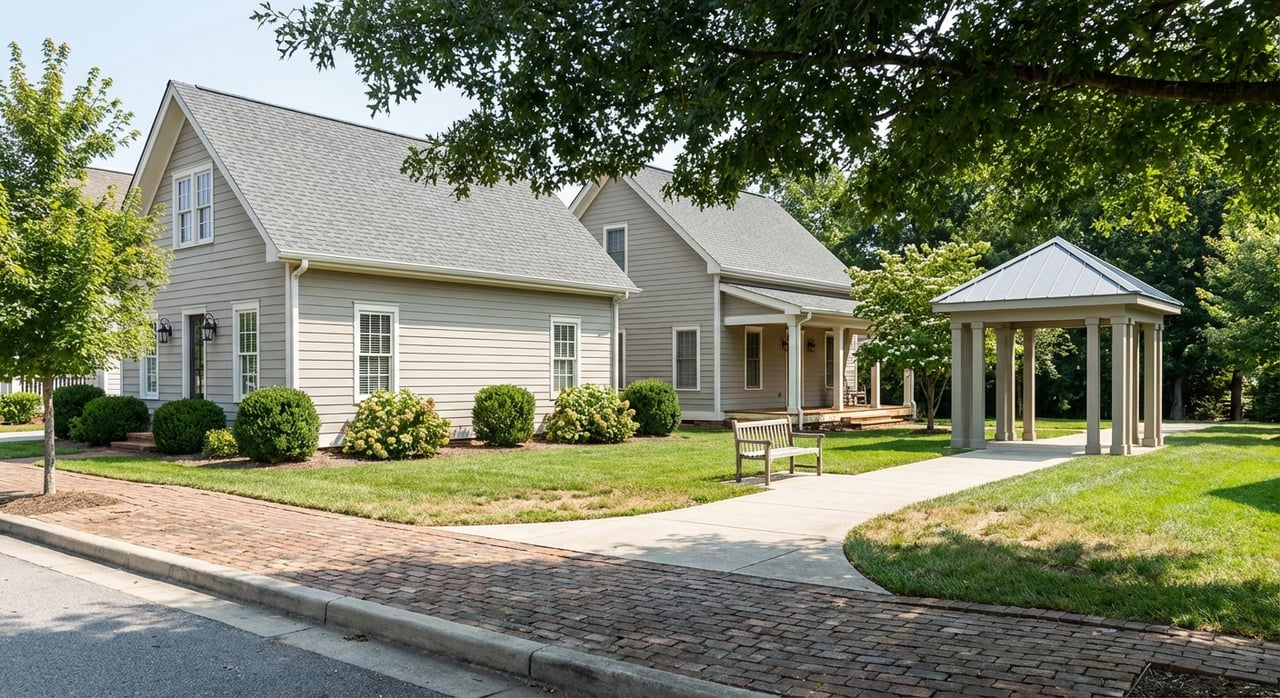
Warrenton is the county seat of Fauquier County, set about 40 to 50 miles west of downtown Washington, D.C. Travel time varies by time of day. The town blends a walkable Old Town core with surrounding countryside known for horse farms, vineyards, and conservation areas. Many residents commute into the broader Washington region.
You will find a classic small downtown, seasonal events, and easy access to rural recreation. For community services and an event calendar, browse the Town of Warrenton website. If you want to study commuting patterns or household data, the U.S. Census American Community Survey is a useful reference.
Commute options and planning
Key driving corridors
Most drivers connect to I‑66 for trips toward Fairfax County, the Capital Beltway, and D.C. U.S. Route 29 and U.S. Routes 17 and 211 are major east‑west and north‑south connectors that feed the interstate or serve as alternatives. Peak congestion can add significant time, so reliability matters as much as distance. For current projects and road information, use the Virginia Department of Transportation website.
Rail and park‑and‑ride
Warrenton does not have a Virginia Railway Express station in town. Many commuters drive to nearby VRE stations in the Manassas area or use park‑and‑ride lots. Review routes, stations, and parking details on the Virginia Railway Express site before you plan a multi‑modal commute.
Test your personal commute
- Do a timed drive during weekday rush hours to your most frequent destination.
- Try both I‑66 and U.S. routes to compare reliability.
- If you work hybrid, note library, café, or coworking options you can use on in‑person days.
- Keep a backup plan, such as a nearby VRE station, for weather or incident days.
Housing and neighborhoods
Old Town living
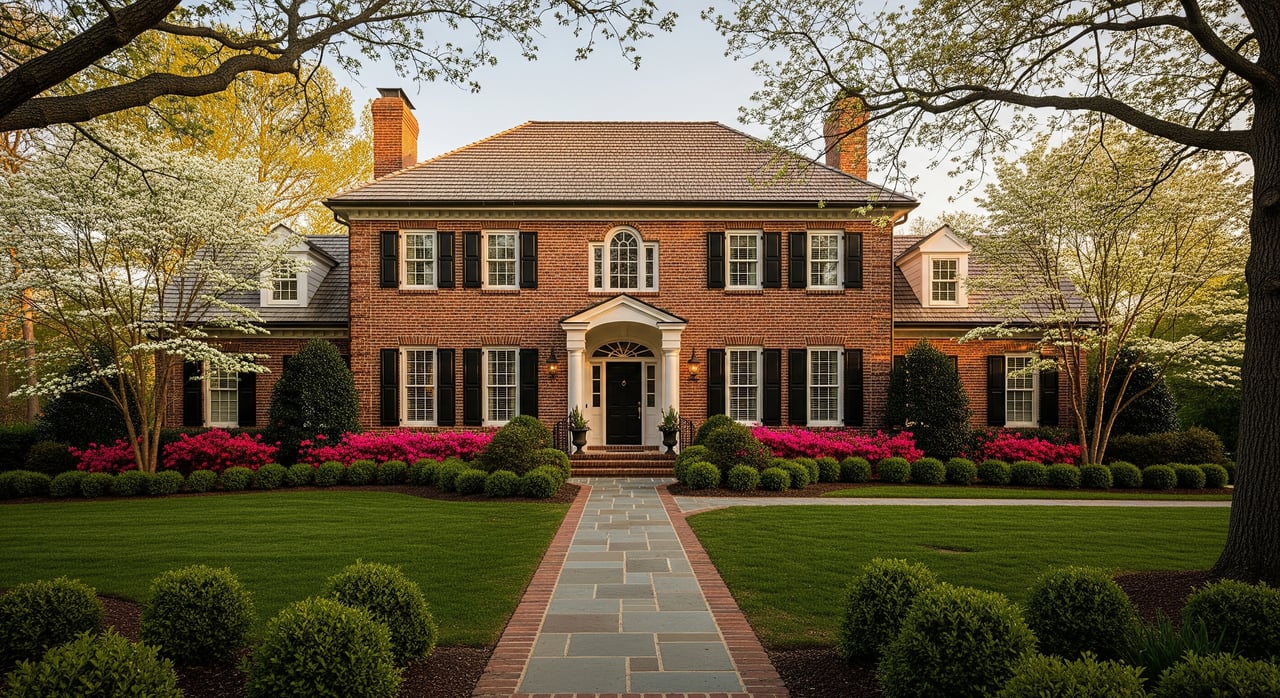
Near Old Town Warrenton, you will see historic homes that date to the 19th and early 20th century. These properties sit on smaller lots and place you close to shops, restaurants, and galleries. Historic districts or design review guidelines may apply to certain properties. The town’s planning pages provide guidance on local rules and processes on the Town of Warrenton website.
Suburban subdivisions
Outside the historic core, you will find post‑war and newer subdivisions with detached homes and townhouses. These neighborhoods cluster near major routes for easier access to the interstate. Smaller‑scale new construction and infill development appear near growth corridors. Inventory can change quickly, so plan to monitor new listings closely.
Acreage and equestrian properties
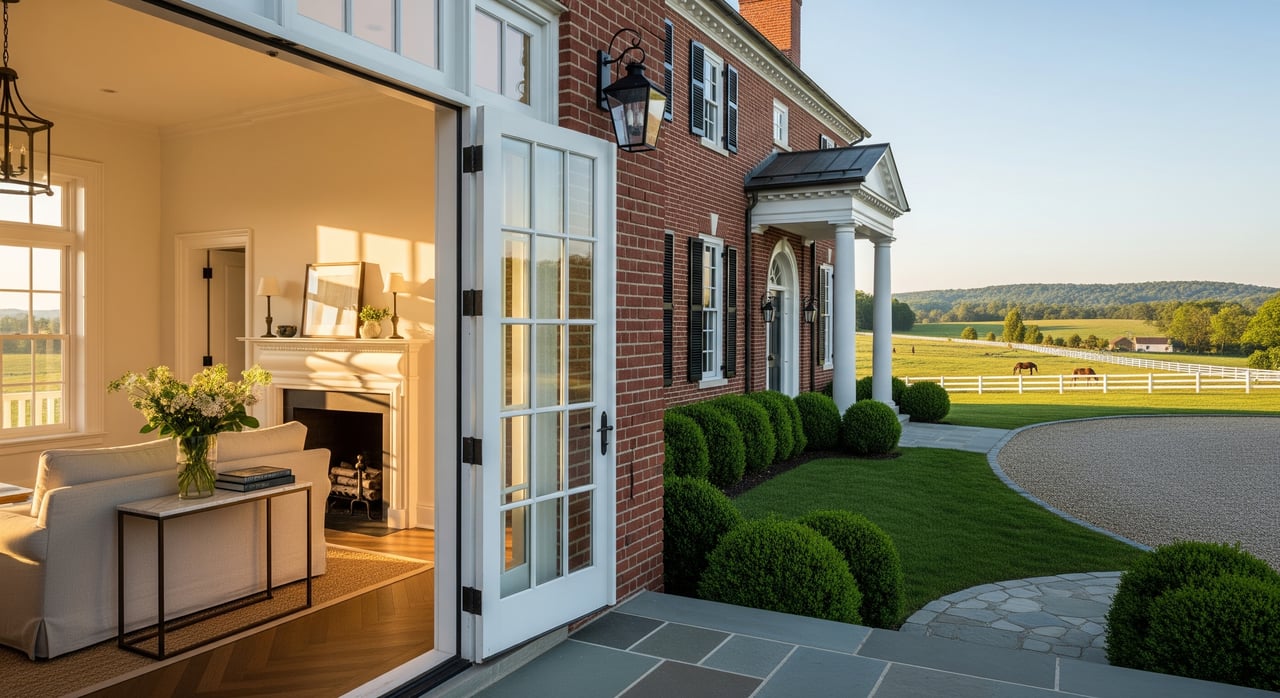
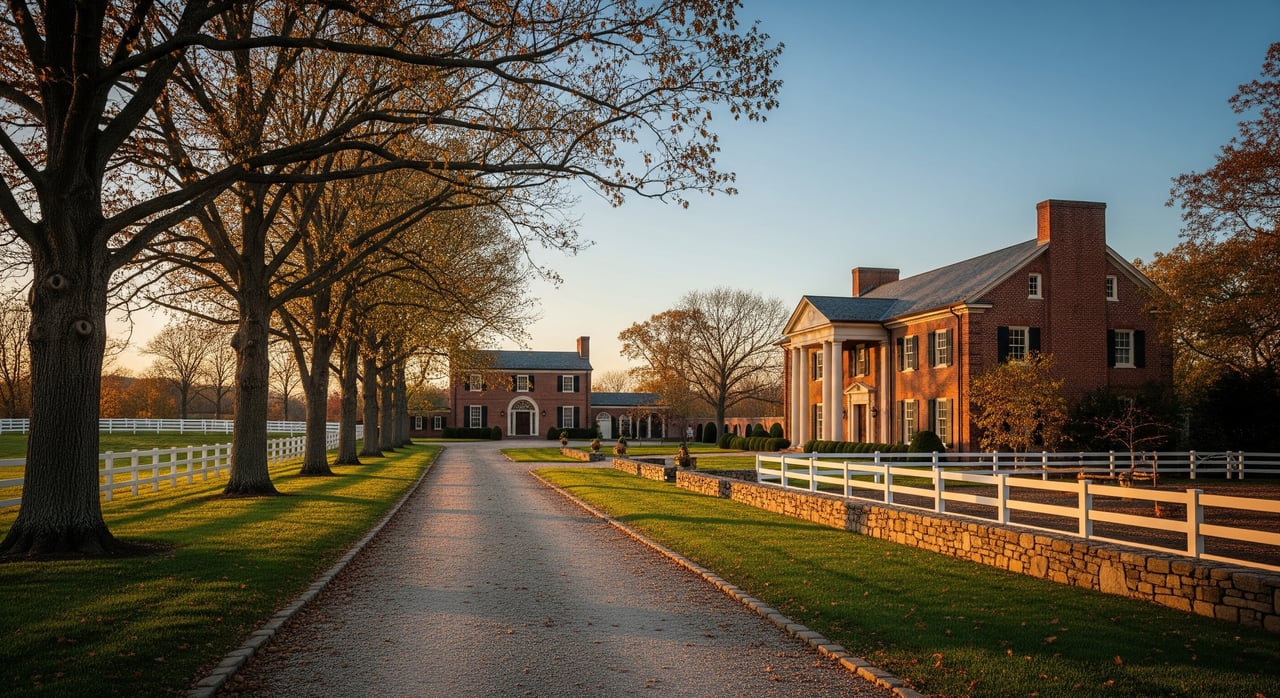
Fauquier County is known for larger lots, farmland, and equestrian facilities. If you want a small farm, stables, or simply more privacy, you will have options in the surrounding countryside. Many rural properties use private wells and septic systems, so confirm well yield, septic design, and maintenance history during due diligence. For zoning, lot size rules, and land use details, review the county’s pages at Fauquier County Government.
Condos and apartments
Condominiums and multifamily options are more limited than in core suburban counties. Most choices are closer to town. If you need a low‑maintenance option, plan to start your search early and be ready to act when the right property appears.
Weekend life and local amenities
Old Town Warrenton offers walkable dining, cafés, galleries, and seasonal events that bring the community together. Check the town’s event listings on the official Warrenton site to see what is coming up. Outside town, you can explore wineries, farm markets, and countryside drives.
Fauquier County’s equestrian scene is well established. You will find riding facilities, clubs, and boarding options, along with trails and open space for outdoor recreation. Parks and nearby natural areas offer hikes and seasonal activities for all ages. Libraries and community centers round out year‑round programs and classes.
Buying from afar: virtual tools that work
You can tour effectively from your laptop or phone if you use the right mix of tools. Many listings now feature immersive 3D tours, like Matterport, plus floor plans and high‑resolution photos. Live video tours via FaceTime or Zoom let you ask questions in real time.
Use this quick approach to evaluate homes remotely:
- Prioritize full 3D tours for your first shortlist.
- Schedule a live walkthrough timed for natural light. Ask to see closets, mechanicals, attics, and rooflines.
- Request raw video of the exterior, lot boundaries, and neighborhood at different times of day.
- For acreage, ask for drone footage to understand topography and access.
- Review disclosures, recent inspection reports, well and septic records, survey or plat, HOA documents, and property tax history before you write.
Neighborhood preview tools
- Google Maps with Street View for drive‑by and context checks.
- Walk Score for an at‑a‑glance view of walkability and transit.
- State school report cards and third‑party resources if schools matter to your decision.
- Local police or sheriff crime mapping to understand public safety patterns.
- The FEMA Flood Map Service Center to check floodplain status for any specific property.
- The FCC National Broadband Map to verify internet providers and advertised speeds.
Due diligence essentials for rural and historic areas
When you focus on rural or older homes, a few items deserve early attention. Confirm the accurate legal description and survey or plat. For wells and septic systems, review records, service history, and capacity. For properties in historic districts, ask about design review processes.
Virginia allows remote or electronic notarization in certain contexts, but practices vary by lender and settlement company. Confirm closing logistics early and plan for your appraisal and inspection scheduling. In Virginia, settlement attorneys typically handle closings, so keep your timelines clear and your documents organized.
Shortlist criteria that save time
Use clear filters before you start touring in person:
- Commute threshold, such as a one‑way limit during rush hours or proximity to a preferred park‑and‑ride or VRE station.
- Housing type and lot size, such as townhome or single‑family with less than 1 acre, or acreage over 5 acres for horse properties.
- School research plan, including boundaries and official report cards.
- Broadband requirements, such as fiber or a minimum advertised speed you need for work.
- Walkability preferences, especially if Old Town access is important.
- Exclusions up front, such as flood risk, septic type, or easements that do not fit your needs.
Your step‑by‑step relocation checklist
Research and shortlist
- Use MLS filters and 3D tours to build an initial list.
- Do rush‑hour test drives to your usual destinations and parking options.
- Preview streets and surroundings via Street View and neighborhood forums.
Home due diligence before offer
- Request disclosures, recent inspection reports, well and septic records, survey or plat, HOA documents, and tax history.
- Schedule a full home inspection. For rural properties, add specialized septic and well inspections.
- Confirm utility providers and average costs. Check trash and recycling schedules.
- Verify broadband and cell coverage with providers and neighbors.
Contract to closing
- Confirm lender requirements and appraisal timing, especially for rural properties.
- Confirm closing logistics with your settlement attorney and lender, including whether remote notarization is allowed in your case.
- Line up movers, change‑of‑address, utilities, and internet installation.
Post‑closing essentials
Register vehicles and your driver license with the Virginia DMV within the allowed window.
Register to vote and set up local providers such as medical, dental, and veterinary care.
Secure lawn, maintenance, and any agricultural or equestrian services you will need.
How we help you move with confidence
Relocating is a logistics exercise, and you deserve a streamlined process that protects your time and your budget. We pair modern touring tools with straightforward advice so you can make confident decisions from anywhere. That includes professional photography, immersive 3D tours, targeted digital advertising for sellers, and attentive buyer representation for remote shoppers.
You also benefit from CPA and JD expertise when a transaction gets complex. If you are evaluating a short sale, pre‑foreclosure, or a property with unique legal or financial details, we will break down your options in plain language. As part of our commitment to the community, a portion of our fees supports service dog training nonprofits.
Ready to explore Warrenton with a local pro who blends modern tools with clear guidance? Connect with Marina L Solomon for a focused plan tailored to your goals.
FAQs
How long is the commute from Warrenton to D.C. or the Beltway?
- Distance is roughly 40 to 50 miles depending on your destination, and travel time varies with peak congestion. Test routes via I‑66 and U.S. highways, and consider nearby park‑and‑ride or VRE stations and schedules. For current road information, check VDOT.
What should I know about schools in the Warrenton and Fauquier area?
- Public schools serve the area, and boundaries and offerings can change. Review official state report cards and boundary maps and consider private options if relevant. Visit schools in person when possible to see fit and programs.
Can I get high‑speed internet on rural acreage near Warrenton?
- Availability varies by exact address. Use the FCC National Broadband Map to see advertised providers and speeds, then verify directly with providers and neighbors before you buy.
What inspections are most important for rural properties near Warrenton?
- In addition to a standard home inspection, prioritize well yield tests, septic inspections and pump records, and clear mapping of the drainfield location. In rural settings, consider pest and wildlife inspections as well.
Is it easy to find horse properties or acreage in Fauquier County?
- Yes, the county is known for equestrian properties and larger lots. Confirm zoning, land use rules, and maintenance expectations early in your search by consulting Fauquier County Government.
How do I check flood risk for a property around Warrenton?
- Use the FEMA Flood Map Service Center to look up floodplain status for a specific address. Confirm with a survey and your insurer during due diligence.
What are the DMV steps after I move to Virginia?
- You must register vehicles and update your driver license within the required timeframe. Processes and documents vary by situation, so start with the Virginia DMV for forms and appointment options.